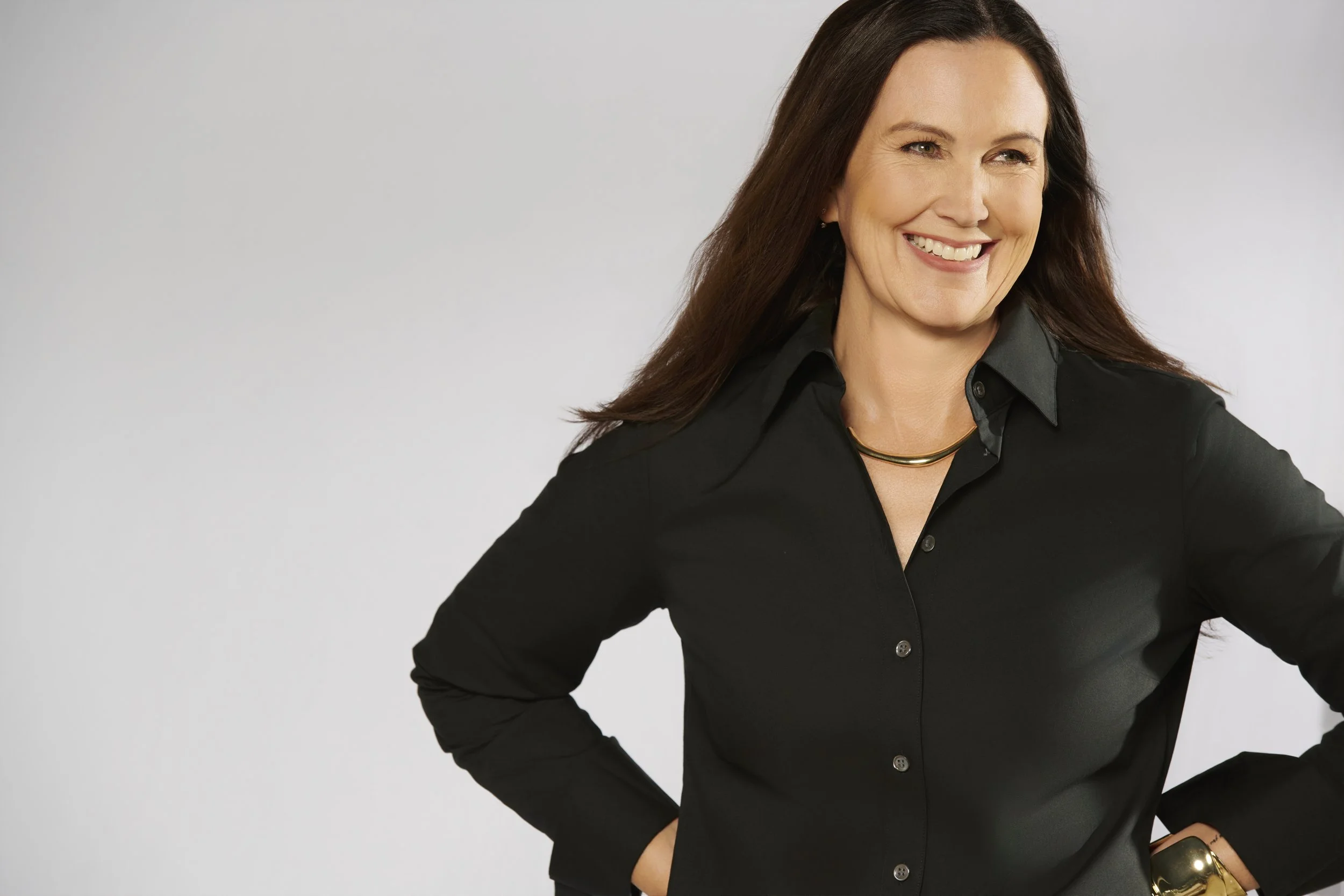
I advise senior leaders on the things their organization can't resolve from the inside — and help organizations build the human infrastructure that makes transformation actually stick.
Awareness is your edge.
Hard problems. High stakes.
Fast, meaningful change.
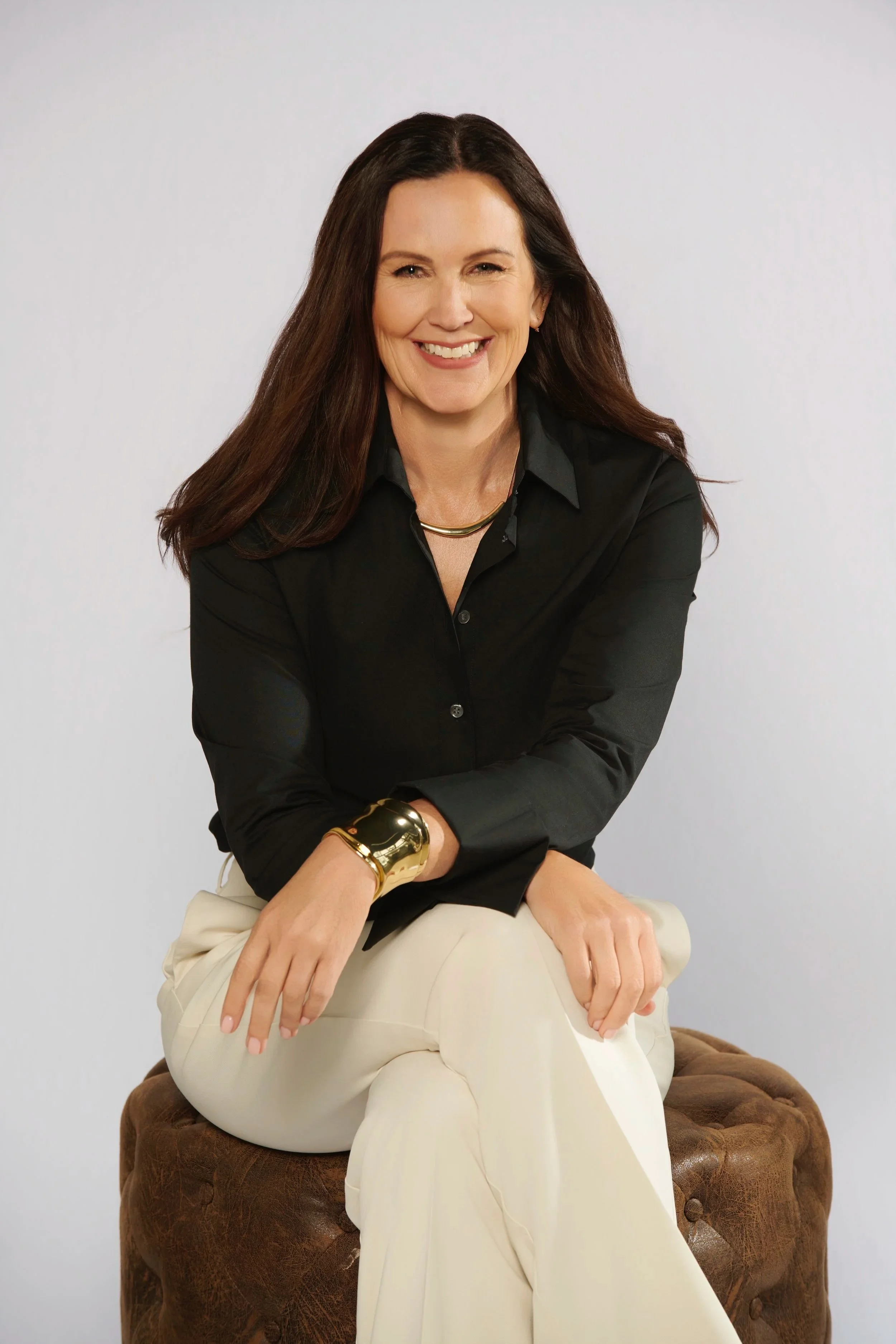
“Your strategy doesn’t create your edge—your awareness does.
When you see clearly how you lead, you change everything.”
About
There's a particular kind of clarity that comes when you have no choice but to stop and pay attention.
Mine arrived mid-career, during a breast cancer diagnosis and the recovery that followed — which was longer and quieter than anyone really tells you about. I was in a senior leadership role at the time. Systems that needed managing, people who needed leading, decisions that didn't pause. And then, quite suddenly, I had something I hadn't had in years: unscheduled hours and nowhere to hide from the truth of how I was actually operating. (I would not have chosen this as a method for self-discovery. But here we are.)
What I did with those hours changed everything — including what I believed about leadership.
I'd been studying neuroscience, stoic philosophy, and high-performance science for years. The diagnosis didn't introduce me to those ideas. It showed me, under conditions I couldn't control, which ones actually held up when the pressure was real. The same practices that helped me survive the hardest year of my life — the clear-eyed self-awareness, the ability to act from values when everything else was uncertain, the discipline to take the next right step when the full picture was still terrifying — turned out to be identical to what the most effective leaders I'd ever worked with did under pressure.
That wasn't a coincidence. That became Awareness for Impact.
Before that year, I'd spent two decades inside the rooms where the consequential decisions get made. As a two-term elected County Commissioner. As Chief of Staff overseeing 400 people and $137 million in a major American city. As Global Director of Science Transformation at one of the world's largest conservation organizations. I've been at the table when the strategy was right and the culture wasn't ready for it. When the org chart said one thing and the actual power said something else entirely. When leaders were capable, well-intentioned, and still making it harder than it needed to be — because they couldn't see clearly what was happening in the room around them.
What I know about organizations, I know from operating inside them — accountable for outcomes when they didn't work, present when the strategy fell apart, responsible for what came next. Not from researching other people's organizations. From running one.
Right now, that experience matters in a way it hasn't in decades. Organizations are deploying AI at scale and discovering that the technology is the easy part. The adoption fails because the judgment, the cultural wiring, and the leadership behavior that determines whether any of it sticks — those can't be built into a platform. They have to be developed in the people leading the work. That's where I operate.
I work with a small number of senior leaders at any one time. What that looks like is straightforward: you bring me the real problem — not the version you're comfortable naming in a room full of people who have a stake in the answer — and we figure out what it actually requires. No program. No deliverable. No agenda but yours. Open access, complete confidentiality, no political stake in the outcome. The conversation starts from where you actually are.
That's the work. And it starts with awareness.


Culture and change work for organizations navigating complexity. From AI adoption strategy to leadership team performance to the conditions that determine whether transformation sticks. I bring structure to the work most consultants describe but cannot do.
How I Work With You
Strategic counsel for senior leaders. Confidential, fast, and grounded in two decades of operational experience at institutional scale. The relationship you establish before the crisis, and call on when it arrives.
Keynotes and workshops, podcasts & media appearances for organizations navigating culture change and/or AI transformation who want to keep humans central to their strategy, culture, and decisions.
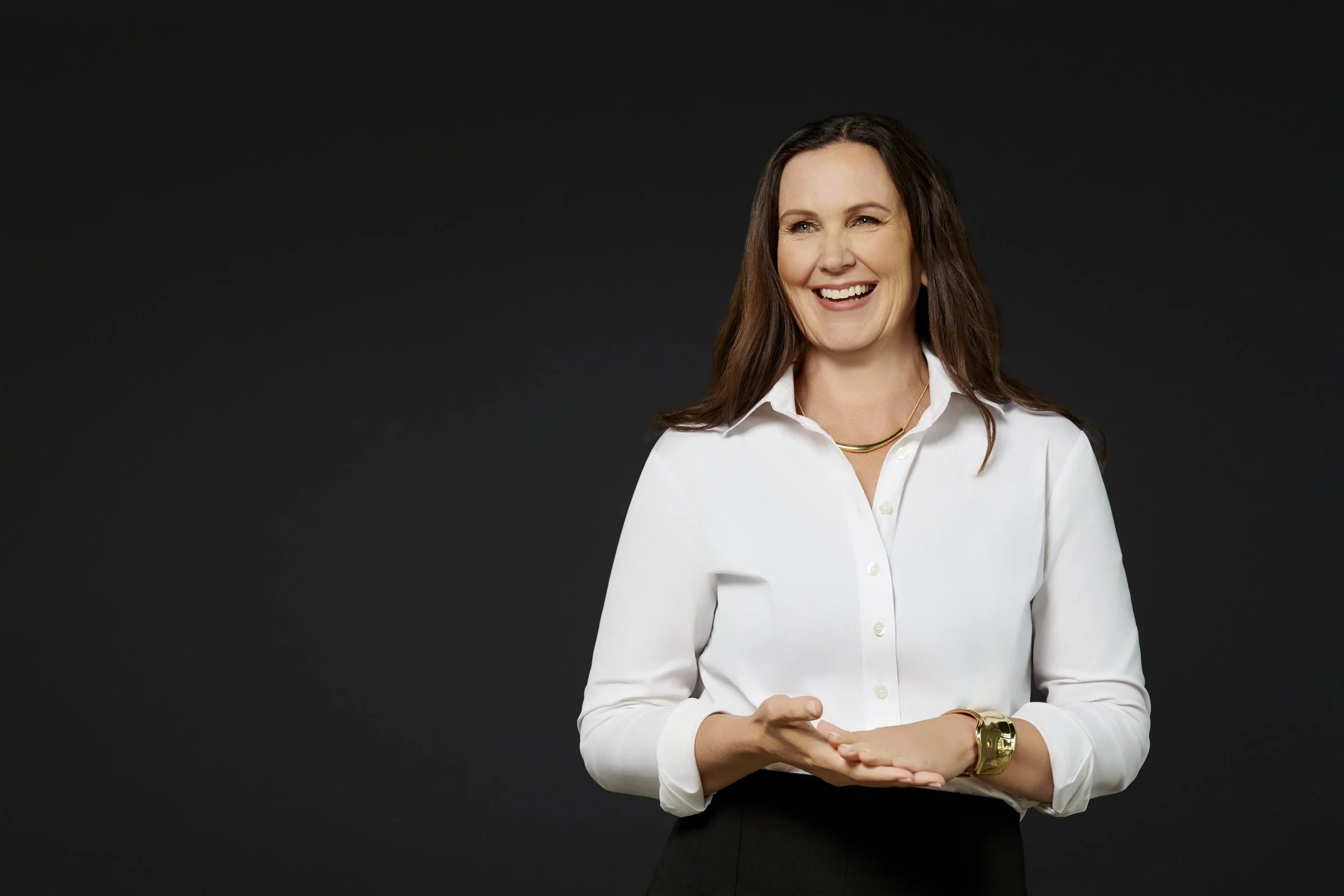
Signature Talks
These talks were shaped inside boardrooms and hospitals in equal measure — two decades of leading at institutional scale, and a breast cancer diagnosis that tested every assumption about pressure, performance, and what human beings are actually capable of.
For organizations navigating change, pressure, and high stakes Most talks name the problem. This one delivers the methodology — drawn from neuroscience, stoic philosophy, and real consequence — for leading at your best when getting it wrong isn't an option. Your audience will leave with more than insight. They leave with a map.
For organizations deploying AI or navigating transformation The technology works. The adoption doesn't. This talk identifies the three forces that determine whether AI actually sticks — and what leaders need to do differently right now.Your audience leaves with a diagnostic framework they can apply immediately.
For leadership teams at an inflection point The human dimensions of leadership — ethical clarity, moral courage, full accountability — are no longer optional. This talk makes that case and refuses to let anyone look away.Your audience leaves with a framework for ethical leadership they can act on — not in theory, but in the next decision they have to make."
Featured Insights

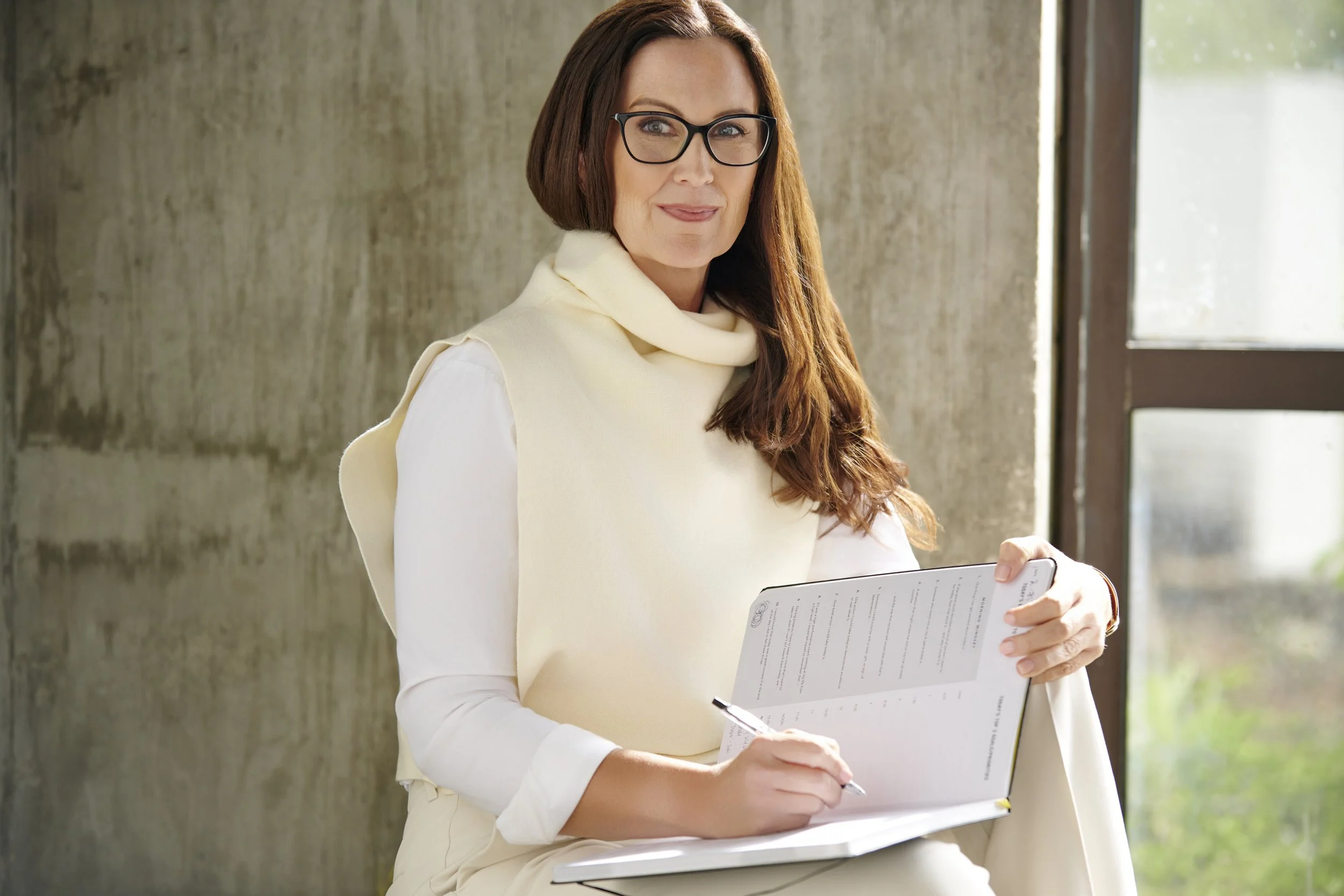
The person you call before you call anyone else.
If you are navigating something that requires clear thinking, real experience, and someone who will tell you the truth — I’d like to talk.

Your Questions, Answered
What makes private advisory different from coaching or consulting?
Coaching follows a developmental arc toward goals you set together. Consulting delivers defined outputs. Private advisory is neither — it is an ongoing, confidential relationship with no deliverable, no program, and no agenda but yours. The distinction is in the access: open-channel, as-needed, complete confidentiality, no political stake in the outcome.
Who is the Private Advisory for?
Senior leaders at VP level and above who are navigating something their organization cannot resolve through normal channels — culture fractures, AI integration challenges, leadership transitions, or decisions that require a trusted perspective entirely outside the hierarchy.
How do I know if there is a fix?
Submit the three-question inquiry at the bottom of this page. If there is alignment, you will hear from me personally within a few business days.
Do you customize keynotes for specific audiences?
Always. Every speaking engagement begins with a conversation about your audience, their context, and what success looks like for the room.
Work With Me
Tell me what you're navigating. If there's a fit, you will hear from me personally within a few business days. I read every inquiry myself.